
The Seasonal Lifestyle, Its Importance
As the tourist industry has grown, so has the need for one of the coolest lines of work there is — seasonal work.
Due to an influx in tourists during a certain time of year, whether it be the winter because of a need for snow to ski or the summer because of a need for nice weather to run cruise ships, many vacation destinations require more employees only during the time of year that tourists visit.
Seasonal jobs can include anything from tour guides and bussers to retail workers and bartenders.
Working around tourists in a beautiful location for only part of the year creates a very different atmosphere than year-long jobs located just anywhere.
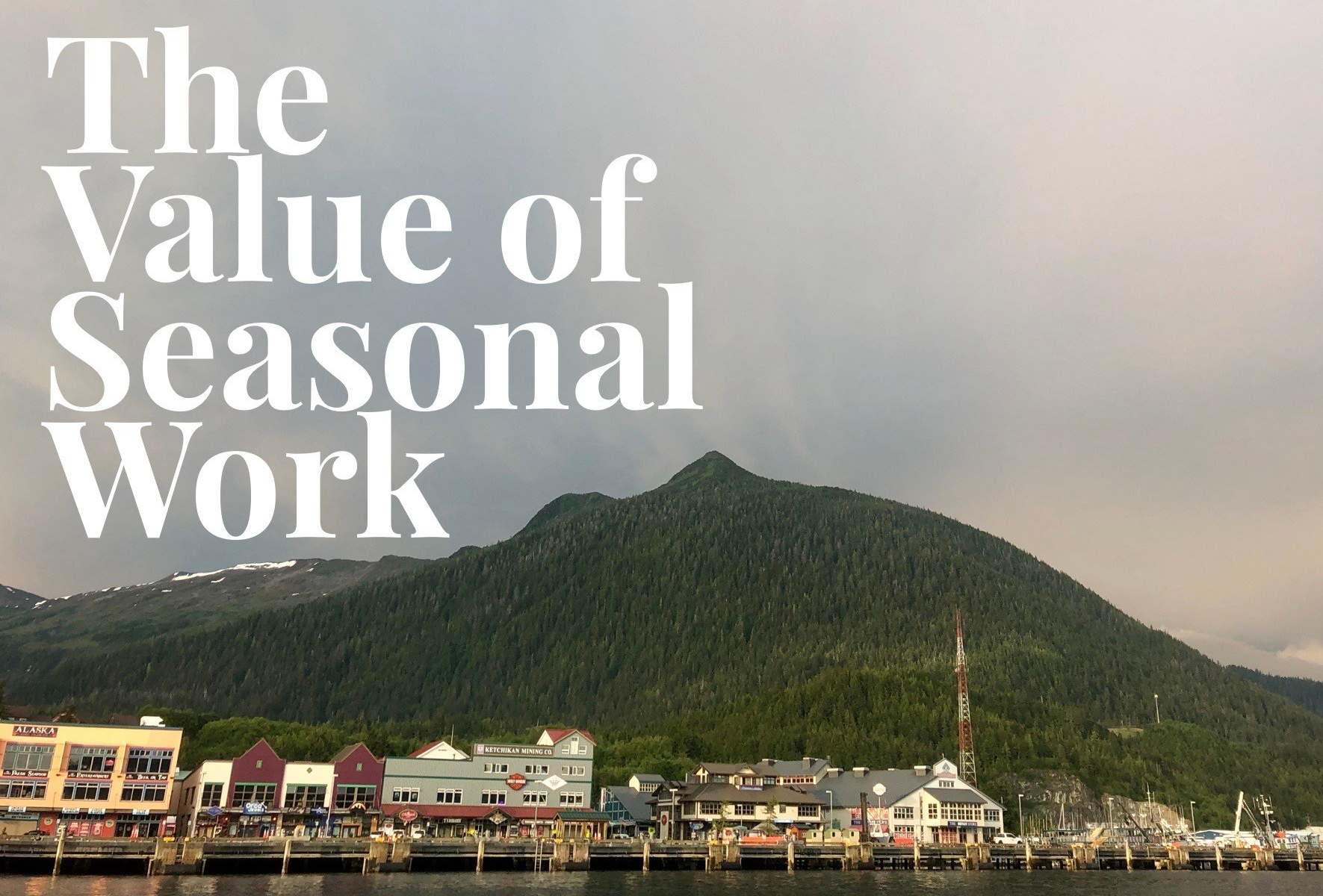
Having worked seasonally as a Duck tour guide and busser for two summers in Ketchikan, Alaska, I can attest to how much seasonal work has completely altered my career goals as well as impacted my overall outlook on life — specifically what I want mine to look like.
Whether you’ve already fallen in love with seasonal work or just discovered what it is, I hope the following testimonies from seasonal workers Jaycie Shotwell, Ariella Nardizzi, and Casey Kennedy give you an itch for adventure and open your mind to the all incredible jobs and experiences out there for you to seize.
Jaycie Shotwell on seasonal work in Alaska and Utah
Since 2016, Jaycie Shotwell has been feeding her travel bug byworking seasonally. She’s done seasonal work all over the U.S. including summers in Ketchikan, Alaska, as well as summers working as a guide in Utah.
While she currently gives tours at Zion Country Off-Road Tours, her first tour guiding position in Utah was at the Grand Staircase-Escalante National Monument.
There she took groups of people out in a Jeep to the canyon slots. Depending on her tourists, she would either drop them off for unguided adventuring or guide them through the desert herself.
It’s all plateaus and deep canyons, according to Jaycie, explaining that the Grand Staircase-Escalante National Monument “has tons of Indian artifacts, petroglyphs and lots of wildlife.”
In addition to seeing old mines and one of the biggest attractions, the Hole in the Rock, she would take people through Bryce Canyon or to Boulder, Utah, a town of 262 people “where there were a ton of little mom and pop shops.”
The journey to Boulder is an adventure in and of itself since the road to get out there is a very narrow plateau with barely enough room for two cars, Jaycie said.
“There’s nothing to protect you on either side and the road has been eroding for years,” she said. It’s even expected “that there will eventually be no road out to Boulder because of how the road is eroding.”
Because winters bring snow too heavy for venturing out to hiking trails, most of the jobs at the Grand Staircase-Escalante National Monument only run during the summer months.
In fact, seasonal work is the only thing Escalante relies on. “It’s a tiny town of people who make a lot of money in the summers to live through the winters,” Jaycie said.
When Jaycie took her first seasonal job at the George Inlet Lodge in Ketchikan, Alaska, in 2016, one of her biggest pulls was that she could come home to Utah at any time.
“I wanted to go on a big adventure,” she said. “I knew it was temporary. I knew I could come back home. I knew it was going to be hard and that a lot of people give up halfway through so I gave myself the leeway to come home so I didn’t go into it scared. I was excited.”
After staying farther than she ever had from home that summer in Alaska, Jaycie said she felt the urge to continue traveling. Seasonal work has allowed her to do just that.
“You have a way to make money. It allows you to live all over the world. I think it’s impacted me most because I’ve gotten to experience different places and people,” she said.
Seasonal work has allowed her to immerse herself in the places she works in, she said.
One of Jaycie’s favorite parts of the seasonal lifestyle is the people she’s gotten to interact with. “I love that I get to meet a bunch of new people and experience how they live by asking them questions. I love private, personal tours so I can get to know the people I’m with. I feel like they’re my little family for the day,” she said.
“I now know people all over the world. I’ve made great connections and great money. I’ve been able to spend my winters doing whatever I want or purchase things I’ve always wanted such as a vehicle. I’ve been able to live comfortably.”
One of the biggest draws for Jaycie about seasonal work is that it never really ends. “It might be seasonal for a location but your life is not seasonal,” she said. “Your life is a continual cycle so you can continue working wherever you are.”
“New people and new places do different things to you. You become a new person when you experience people’s hardships, beautiful places you’ve never been and learn about things you had no idea were even real,” she said. “There’s a whole entire world out there that you can go visit. Everywhere’s different and you can soak in so many different new perspectives everywhere you go.”
Ariella Nardizzi worked, hiked Glacier National Park
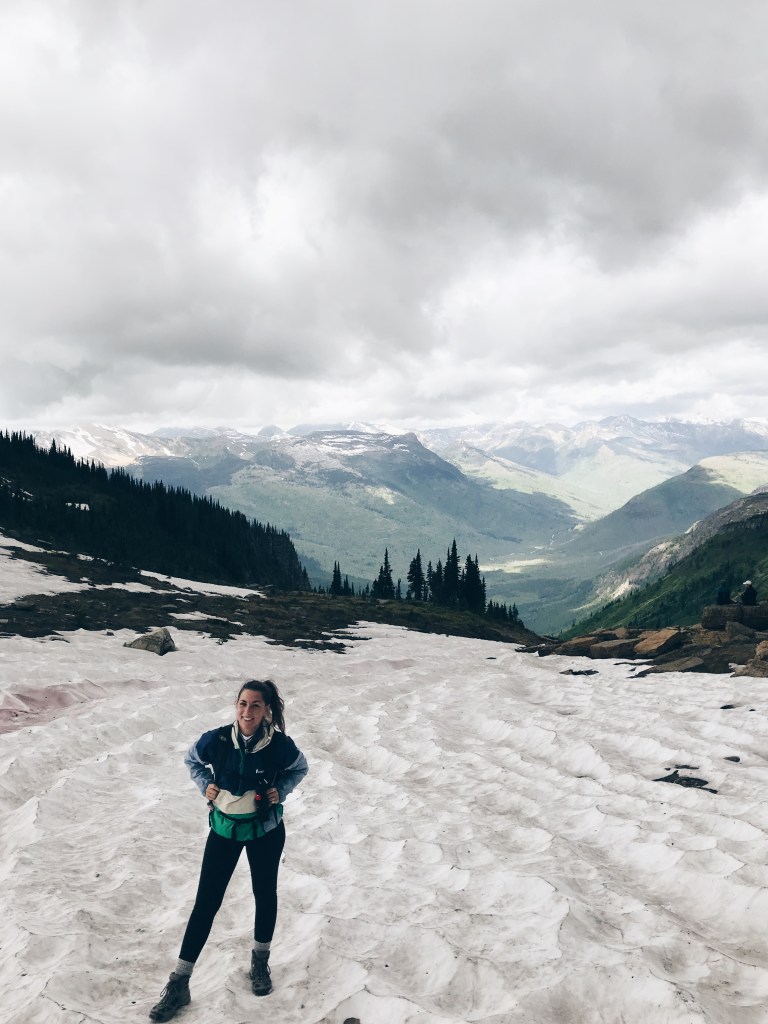
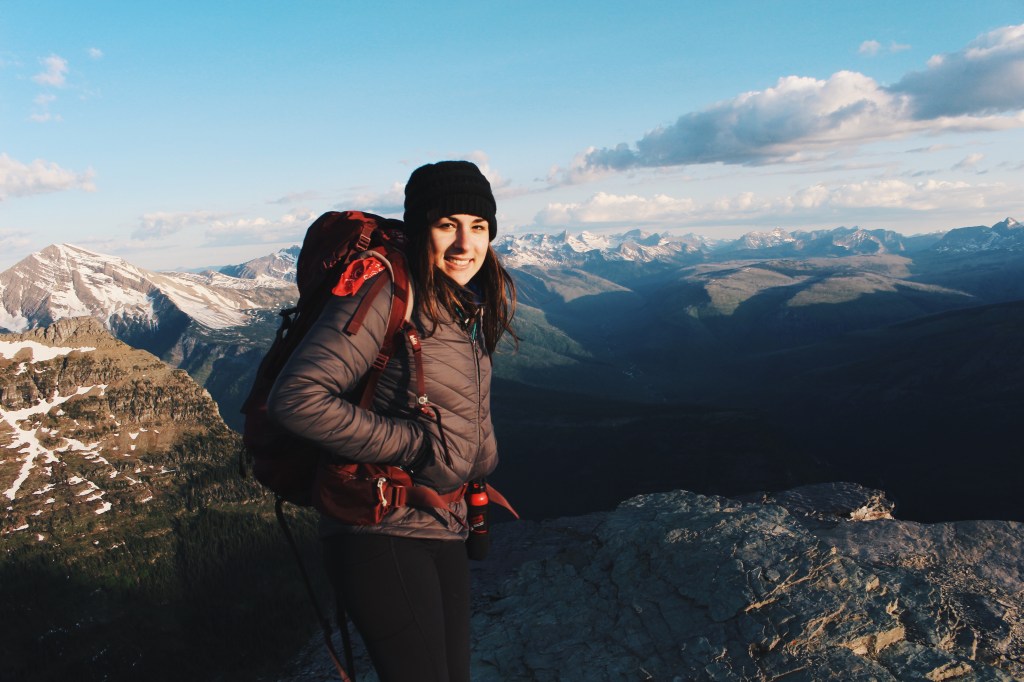
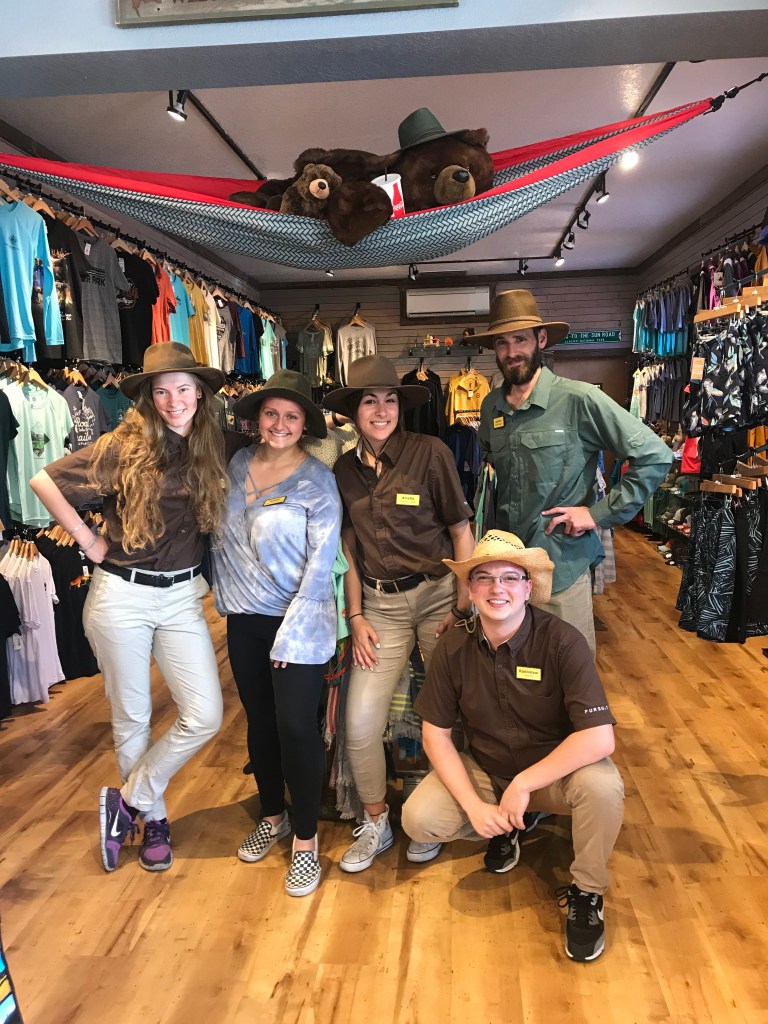
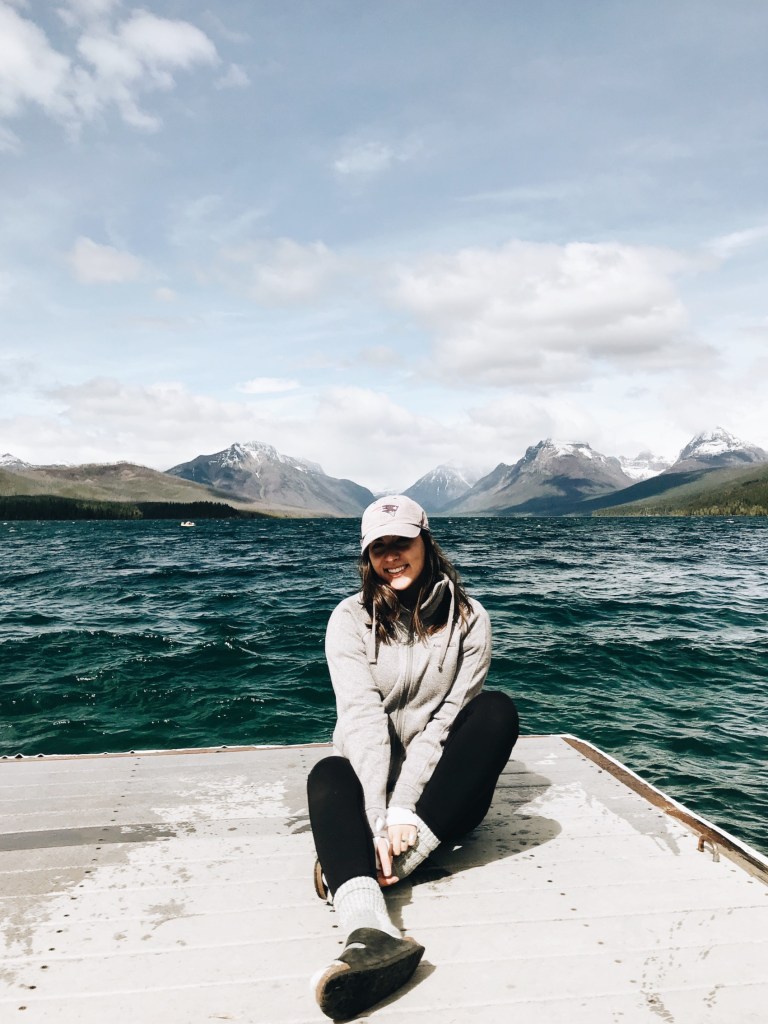
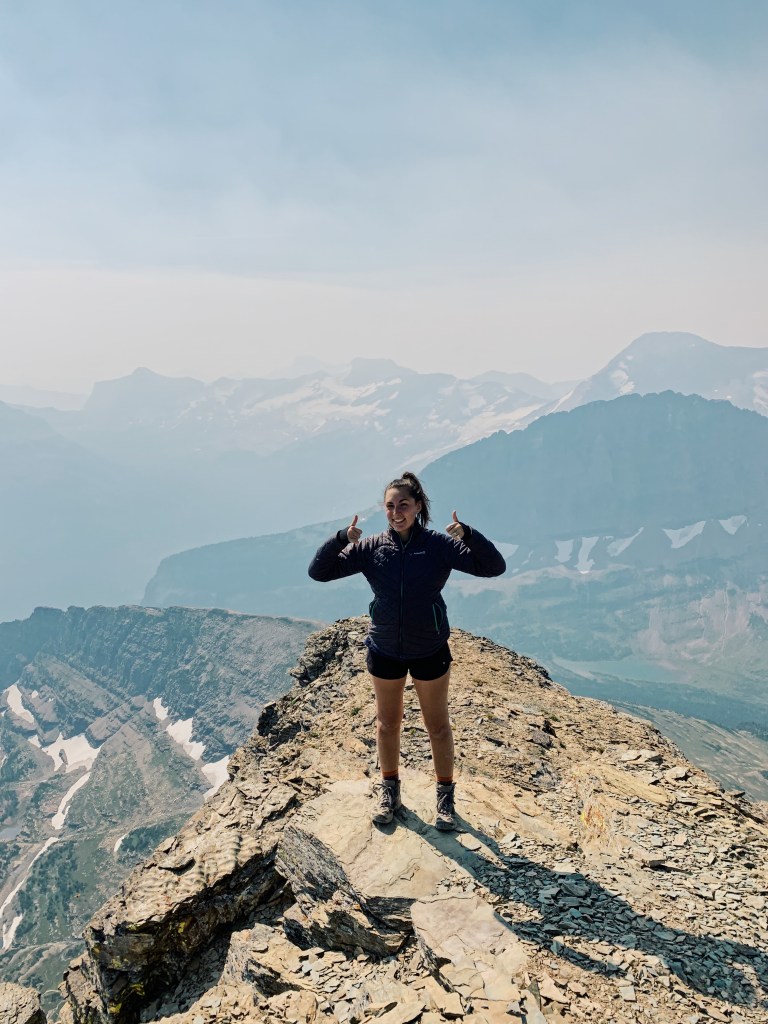
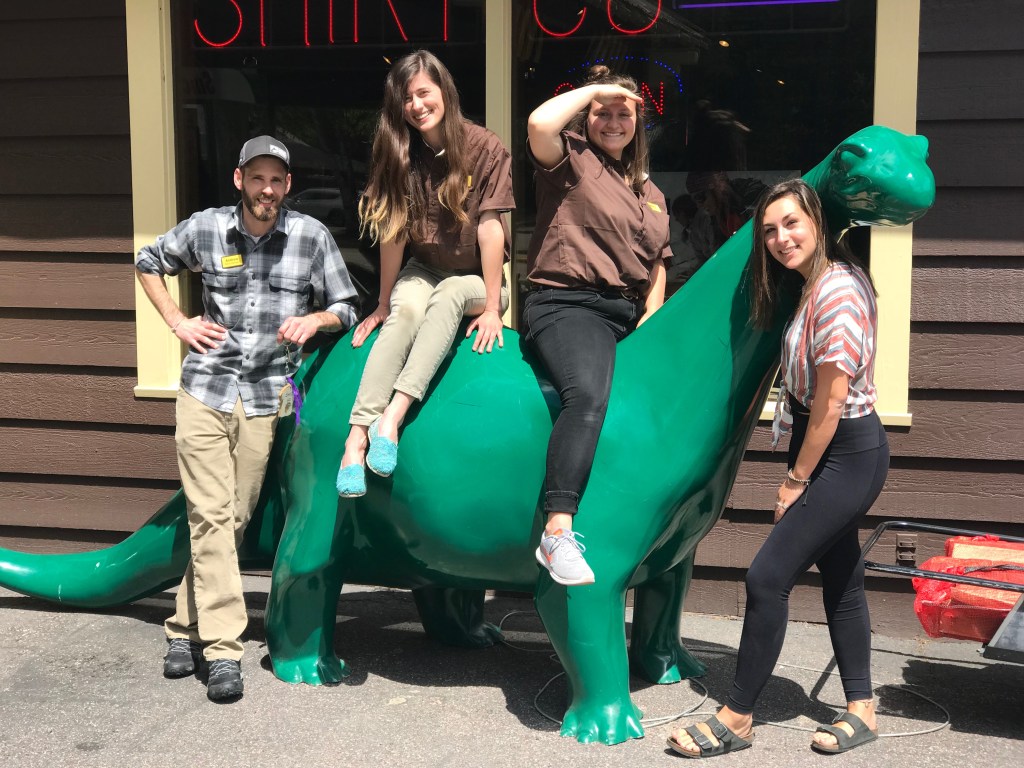
After spending her first summer in Glacier National Park in northern Montana the summer of 2019, Ariella Nardizzi has just but begun to wet her appetite for the seasonal lifestyle.
She was planning on embarking on a new adventure working in Mt. Rainier National Park in Washington this summer before COVID-19 broke out.
Originally from Massachusetts, Ariella is going into her senior year as a journalism major at the Walter Cronkite School of Journalism and Mass Communication.
Her availability during only the summer season was one of the main things that drew her to seasonal work. “As a college student what appealed to me was how short-term the position was. I could get out of Arizona and make money but also be exploring and going on roadtrips,” she said.
She chose the position in Glacier National Park, though, primarily because of how much she’s always wanted to work in a national park.
Living “in a national park makes it so much easier to access all of the hiking trails,” she said. “It makes that your whole life. It’s very easy to just be outside all the time.”
While she said she didn’t know how to make her goal of living and working in a national park a reality, an introduction to CoolWorks.com by her friend quickly changed that.
There she found a list of exciting jobs she could easily sift through. “You can filter the positions based on what kind of national park you want to work in and what kind of job you’re interested in,” she said.
Through CoolWorks.com, Ariella accepted a position as a retail associate at a camp store operated by Pursuit.
In addition to selling outdoors gear and souvenirs at the store, Ariella was contracted as a social media ambassador and put in charge of West Glacier’s social media. “I would take pictures of daily life and what it was like to be a seasonal worker there,” she said. “They would have us do little projects like make little promotional videos or do Instagram takeovers.”
Despite never having worked in retail before, Ariella got promoted to lead retail associate. “It was cool to work in a place for such a short period of time but be able to see so much growth in what I was learning in the workplace,” she said.
Ariella said she was most surprised but how easy it is to make the seasonal lifestyle work. “People tend to think seasonal work is hard to get into or unattainable. I think people don’t realize how easy it is to get a job in a national park. There’s so many companies in every single national park, and there’s lot of positions depending on what people’s skill levels are,” she said. “It’s a very plausible lifestyle and definitely really fun to do over the summer.”
Her favorite thing about seasonal work was the place she got to live and work in. “Glacier is 100% the most beautiful place I’ve ever been to in my entire life,” she said. “I knew the park like the back of my hand. I was keeping track of how many miles I was hiking and what trails I was doing. It was really cool to find a home in a place that so many people from all over the world come to visit.”
The large amount of time she spent in the national park also made her realize just how necessary the outdoors are to her day to day life.
“When you have days off there’s not really much to do in a national park besides get outside. Spending the whole summer just outside made me realize that in the future the outdoors are something I want to incorporate into my everyday life,” she said.
Not to mention, she still keeps in touch with the people she met because of the job. “The people that you meet too are just so cool,” she said. Seasonal work is “ such a cool way to meet new people and get out of your comfort zone. If you’re even considering it, definitely look into it because it’s so worth it. It pushes you to meet people and have these experiences. A lot of what you experience would be really hard to experience in your hometown.”
Casey Kennedy — ‘It didn’t feel like a job at all’
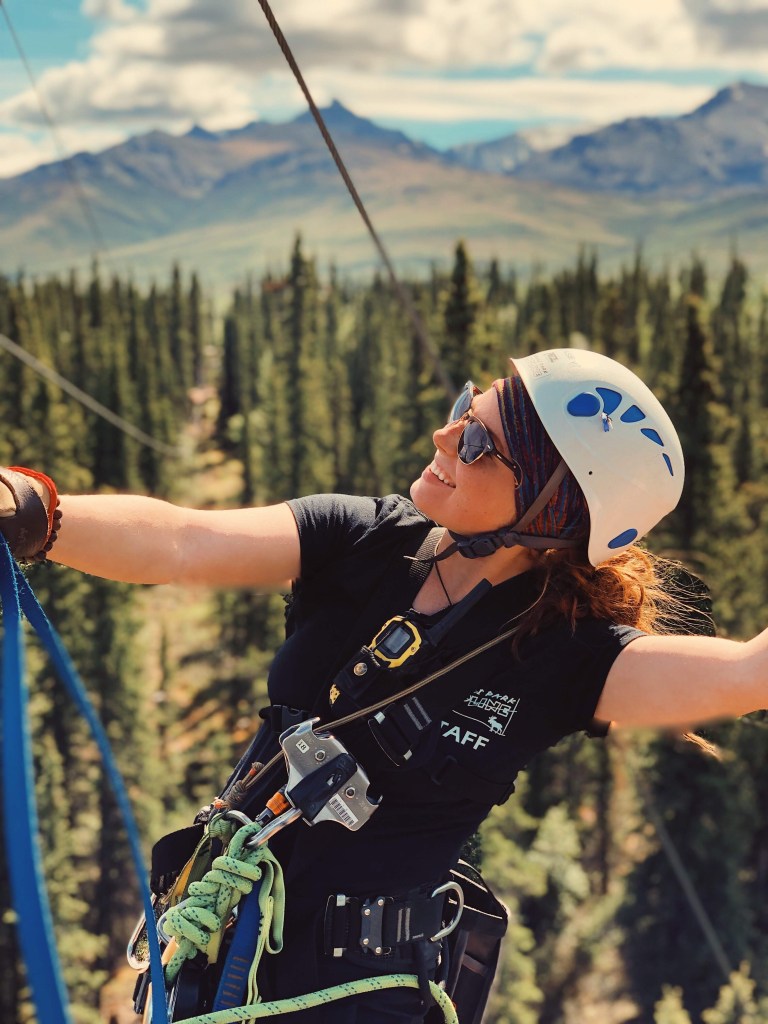
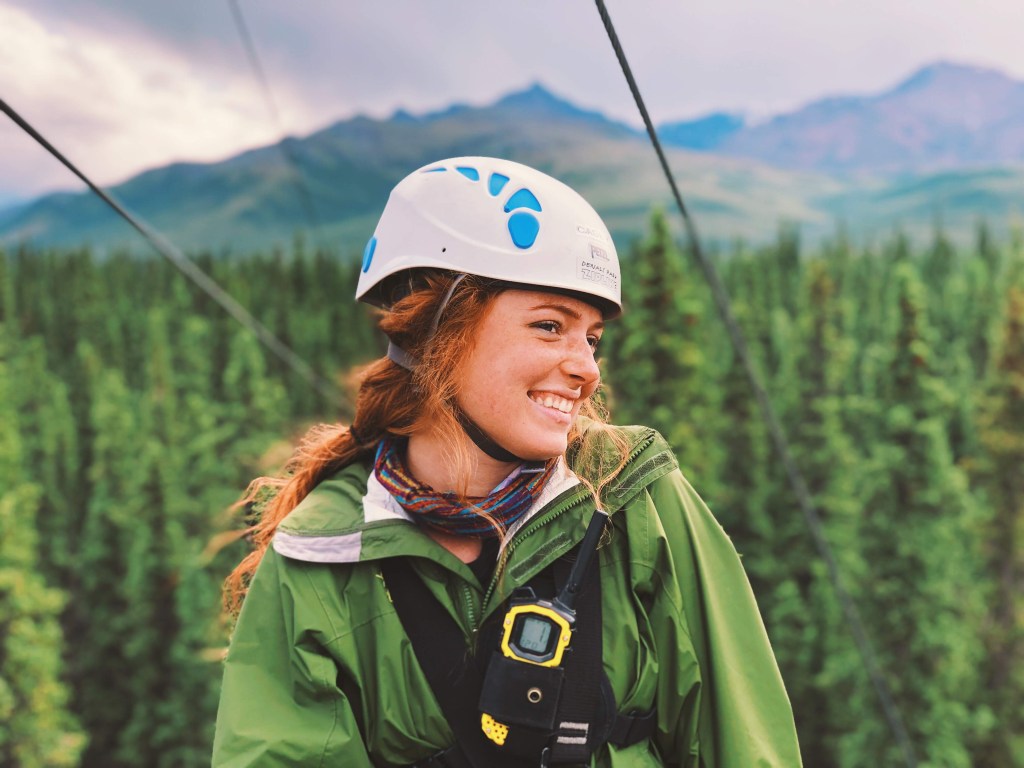
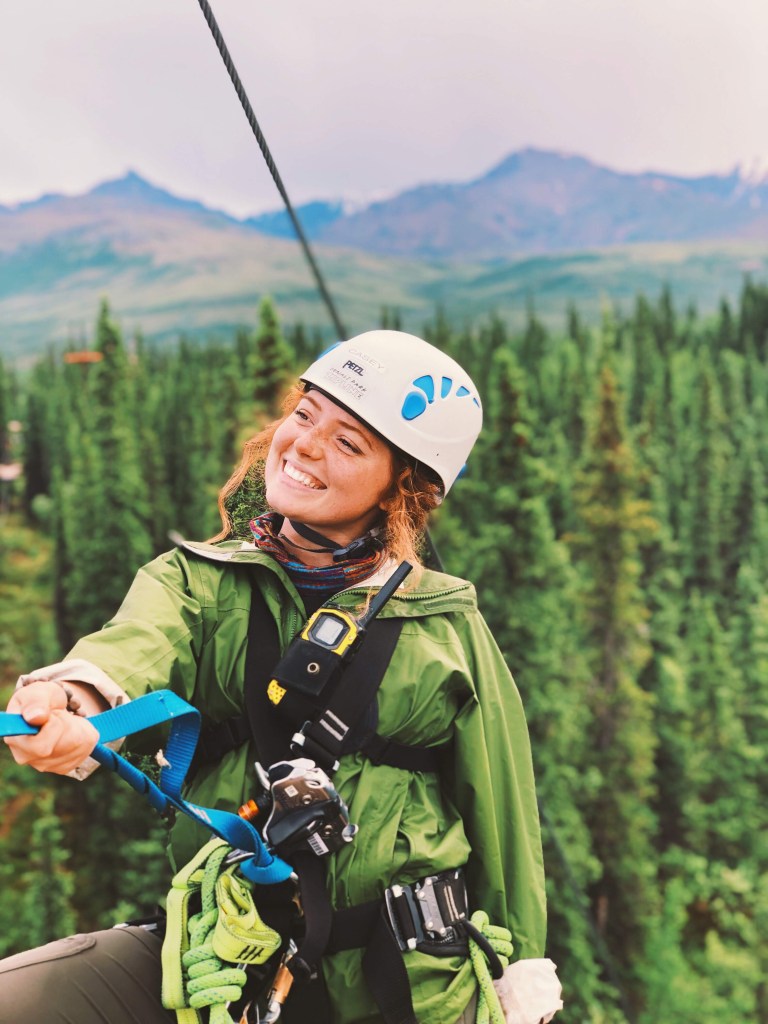
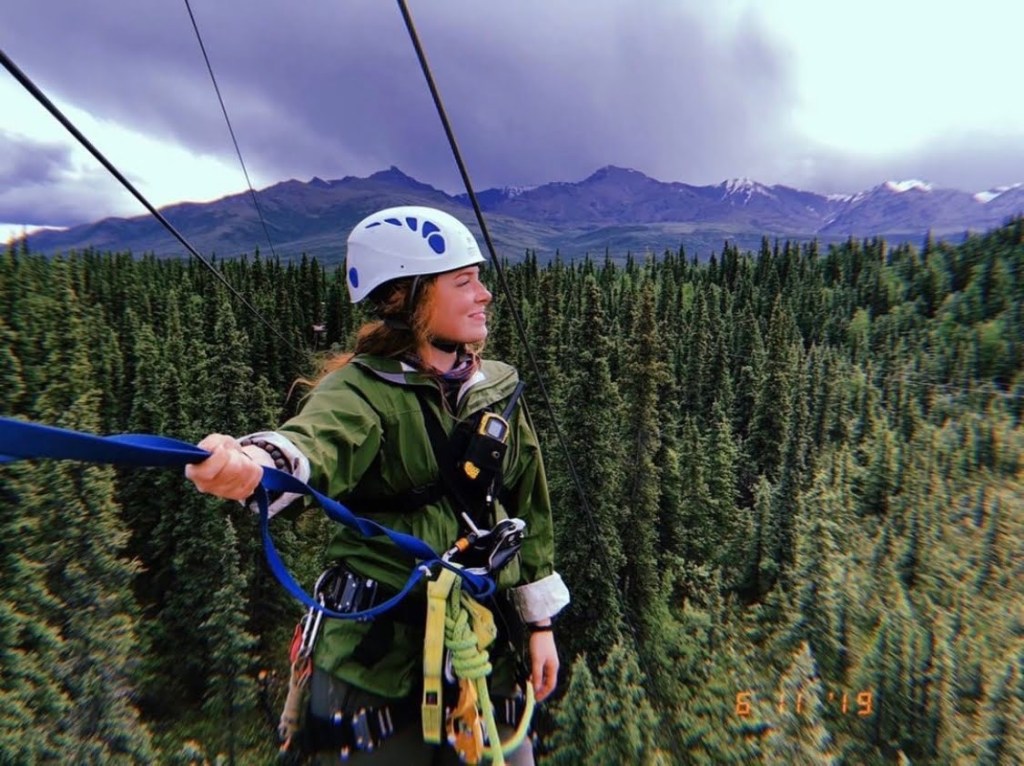
With three seasons in Alaska under her belt, Casey Kennedy is a true Alaskan adventurer.
In 2016, she spent her first summer away from home working as a hostess for Princess Holland America at a restaurant in Denali.
She was first introduced to seasonal work while on a Princess cruise with her family in high school. After meeting all the young kids near her age working on the ship, she decided, “The first summer I’m 18 I’m going to do this.”
“I was just doing it to travel a little bit,” she said. “It seemed like a great opportunity to have a summer gig somewhere. I could work in Arizona or I could go somewhere else for the summer and help pay for college.”
That first summer for her was a game changer. “When I went, as one does, I absolutely fell in love with Alaska. I told myself that the joy that I felt doing seasonal work there was more than I’d ever experienced doing anything else.”
She said she loved it so much that she even switched her major from journalism and mass communication to sustainability. “It gave me my passion for what I wanted to do while not having to make a long-term commitment to live somewhere else. It allowed me to see another part of my own country, a different culture and so many different people. My first summer gave me everything,” she said.
From there she worked on a goat farm the next summer in Kenai, Alaska, a farm in Kauai, Hawaii, the summer after that and finally this last summer as a zipline guide in Denali, Alaska, for Denali Park Zipline.
As much as her first summer instilled in her a love for seasonal work, her job as a zipline guide has been her favorite one yet.
“It took me a few seasons to get down what the best kind of seasonal work was,” she said. “For me, it was guiding. I loved getting to be outside and a part of a team.”
The relationships she formed with the other guides were some of the most rewarding, she said. “We were a small team. It wasn’t a huge corporation. We all lived together, worked together and had our own culture.”
Not to mention the ones she formed with the tourists she took out guiding. “I loved being able to be passionate about Alaska to all the guests that we had,” Casey said. “I spent two hours with people talking about the trees, the tundra, the soil, the sky and everything I love about Alaska every single tour. And I got paid for it. I found my perfect seasonal gig.”
Her favorite part about the job was that it didn’t feel like a job at all. “It never felt like I clocked in or clocked out. It was one full summer of being outside in an environment that I felt happy in,” she said.
While tours aren’t allowed inside Denali National Park, they were located right on the edge of it. “Living and working basically inside a national park all summer was phenomenal,” she said. Being constantly surrounded by nature brought purpose back into her life, she said. “You’re never on your phone. You’re never on a computer. If you’re not working, you’re outside, taking walks or hiking. Every social interaction that you have takes place outside,” said. “It reminded me how far removed we are from our surroundings and from nature when we’re in cities. Being able to reconnect back into nature felt so good. I loved it.”
Her advice for people looking to work seasonally is to not skip over opportunities just because you think you aren’t qualified for the positions you really want.
“Anyone can do anything,” she said. “I had never worked with ropes. I had never worked with courses. I had never worked with ziplines. I had no experience whatsoever. If you see an awesome looking seasonal job and you feel like you are totally underqualified for it, still go for it because odds are they are going to train you and you are going to have a better experience then say working in retail.”
For Casey, seasonal work has created a trickle effect in her life. As a result of changing her major to sustainability, Casey joined the Peace Corps and just recently served six months in Senegal, Africa, before being sent home because of COVID-19. Now after the Peace Corps, Casey will be moving to Colorado to get her graduate degree at the University of Denver for International Studies with a track in sustainability.
“Seasonal work gave me everything. It’s been a staircase,” she said. “Seasonal work gave me my passion for sustainability which gave me my passion for the Peace Corps which has led me to international studies. It just keeps building on itself.”
The best thing, though, about seasonal work is that she knows that no matter what happens in her life she can always go back to it.
“No matter what age I am, I can go to a national park and work seasonally,” she said. “It’s a huge comfort to know I can do something I love and be financially secure with like-minded people at any point in my life.”
“Seasonal work allows people to travel and live somewhere else and learn about another part of their country, their world, their society in a way that doesn’t make them financially insecure or compromise their ability to do what they want,” Casey said. “If anything, it does the opposite. It’s a short-term opportunity for people to get to live somewhere else, experience something new and see what else is out there other than the little circle they were raised in.”
 Sierra Sage
Very interesting read. Aspiring young adults. Well-written.
LikeLiked by 1 person
Thank you so much ❤
LikeLike